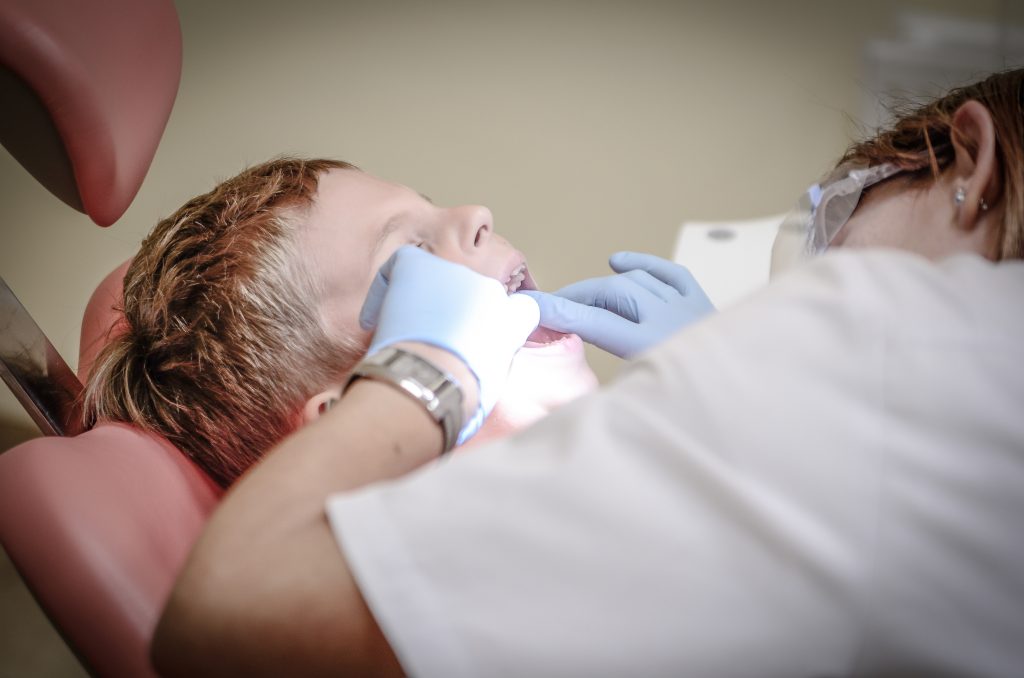
Why Oral and Dental Care Matters Across Every Stage of Life
Oral health is often viewed as a personal wellness issue, but its impact extends much further. For families, healthcare providers, and communities, preventive dental care directly influences quality of life, long-term healthcare costs, and overall well-being. From early childhood development to healthy aging, access to quality dentistry SERVICE solutions plays a critical role in maintaining physical health and preventing costly complications.
The challenge is that many people underestimate the connection between oral health and broader health outcomes. Delayed treatment, inconsistent hygiene habits, and lack of education can contribute to avoidable dental issues that become more difficult and expensive to address later.
Understanding the importance of oral health at every life stage allows individuals and families to make smarter decisions that support long-term wellness and financial stability.
Why Senior Oral and Dental Care Is So Important
As people age, dental needs become increasingly complex. Seniors often face unique oral health challenges that require specialized attention from a qualified dentist and comprehensive preventive care strategies.
Common concerns include:
- Gum disease
- Tooth loss
- Dry mouth caused by medications
- Increased risk of oral infections
- Difficulty maintaining proper oral hygiene
These conditions can affect more than just oral comfort. Research continues to demonstrate strong connections between oral health and systemic conditions such as heart disease, diabetes, and respiratory illnesses.
Preventive dental care is often significantly less expensive than restorative procedures required after years of untreated oral health problems.
Key Benefits of Regular Senior Dental Care
- Early detection of oral health issues
- Better management of chronic health conditions
- Improved nutrition through healthy chewing function
- Enhanced confidence and quality of life
- Reduced risk of emergency dental treatments
Many seniors benefit from working with practices that emphasize patient-centered care and preventive treatment approaches, such as the services offered through comprehensive family dental care programs designed to support patients throughout every stage of life.
New Parents: Five Tips Dental Hygienists Should Be Sharing
Many parents focus heavily on pediatric healthcare but underestimate the importance of early oral health education. Establishing healthy habits during infancy can significantly reduce future dental problems.
1. Start Oral Care Before Teeth Erupt
Cleaning a baby’s gums with a soft cloth helps establish a healthy oral environment and creates positive hygiene routines from the beginning.
2. Avoid Prolonged Bottle Feeding at Bedtime
Extended exposure to milk or juice while sleeping can increase the risk of early childhood tooth decay.
3. Schedule the First Dental Visit Early
Most dental professionals recommend introducing a child to a dentist within the first year of life or shortly after the first tooth appears.
4. Model Healthy Habits
Children often imitate adult behavior. Parents who prioritize brushing, flossing, and routine checkups encourage similar habits in their children.
5. Focus on Prevention Rather Than Treatment
Preventive care is almost always more cost-effective and less stressful than corrective procedures.
Quick Reference: Early Oral Care Milestones
| Child Age | Recommended Action | Primary Benefit |
|---|---|---|
| 0–6 Months | Clean gums daily | Establish hygiene routine |
| 6–12 Months | First dental visit | Early assessment |
| 1–3 Years | Begin supervised brushing | Prevent cavities |
| 3–6 Years | Introduce flossing habits | Improve oral health |
| 6+ Years | Routine professional cleanings | Long-term prevention |
The most effective pediatric dental strategy is not treatment—it is education and prevention.
Dental Therapy Explained: Education and Personal Development
Dental therapy represents an increasingly important component of modern oral healthcare systems. While many people are familiar with the role of a dentist, fewer understand how dental therapists contribute to preventive care, education, and community health initiatives.
Dental therapy focuses heavily on:
- Preventive treatment
- Oral health education
- Community outreach
- Basic restorative procedures
- Long-term patient development
This educational approach helps patients understand not only how to maintain oral health but also why specific habits matter.
The Role of Education in Better Dental Outcomes
Patients who understand the relationship between oral health and overall wellness are more likely to:
- Attend regular appointments
- Follow treatment recommendations
- Practice consistent oral hygiene
- Address problems before they become serious
For families with young children, understanding specialized pediatric care can also improve treatment outcomes. Resources such as guidance on the differences between pediatric and general dental care help parents make informed decisions about their children’s oral health needs.
Comparing Preventive and Reactive Dental Approaches
| Factor | Preventive Care | Reactive Care |
|---|---|---|
| Cost Over Time | Lower | Higher |
| Treatment Complexity | Minimal | Often Significant |
| Patient Comfort | Higher | Lower |
| Risk of Complications | Reduced | Increased |
| Long-Term Oral Health | Stronger | Less Predictable |
The data consistently supports one conclusion: proactive education and preventive care produce better outcomes than waiting for problems to develop.
Building a Long-Term Oral Health Strategy
Whether caring for a young child, managing adult oral health, or supporting aging family members, a strategic approach to dental care delivers measurable benefits.
Effective long-term strategies include:
- Scheduling regular professional cleanings
- Practicing consistent daily oral hygiene
- Addressing minor issues before they escalate
- Seeking age-appropriate dental guidance
- Investing in preventive education
Organizations across healthcare increasingly recognize that preventive oral health initiatives contribute to improved patient outcomes and reduced healthcare costs.
Conclusion
Oral health is not confined to a single stage of life. From infancy through senior adulthood, access to quality dentistry SERVICE solutions and routine care from a qualified dentist plays a vital role in supporting overall health, comfort, and quality of life.
The most successful oral health outcomes share a common foundation: education, prevention, and consistency. Seniors benefit from ongoing monitoring and specialized care, children thrive when healthy habits are established early, and patients of all ages gain value from understanding the connection between oral health and overall wellness.
For families, caregivers, and healthcare decision-makers, the message is clear: investing in preventive dental care today can help avoid more significant challenges tomorrow. The result is healthier smiles, lower long-term costs, and improved quality of life across every generation.
Why Oral and Dental Care Matters Across Every Stage of Life Read More »